The Resurrection of Gilgamesh
by Sandy Simpson, 9/26
Long ago, Nimrod, the mighty hunter and king of Babel, faced a great calamity. When God confused the tongues of his followers and scattered them across the earth, Nimrod found himself alone, abandoned by those who once worshiped him and his wife/mother, Semiramis. In sorrow and resolve, he journeyed far to the land of Warka, a fertile region destined to become Uruk, a city of legend—the world's first megacity.
There, Nimrod shed his former name and took on a new identity: Gilgamesh.
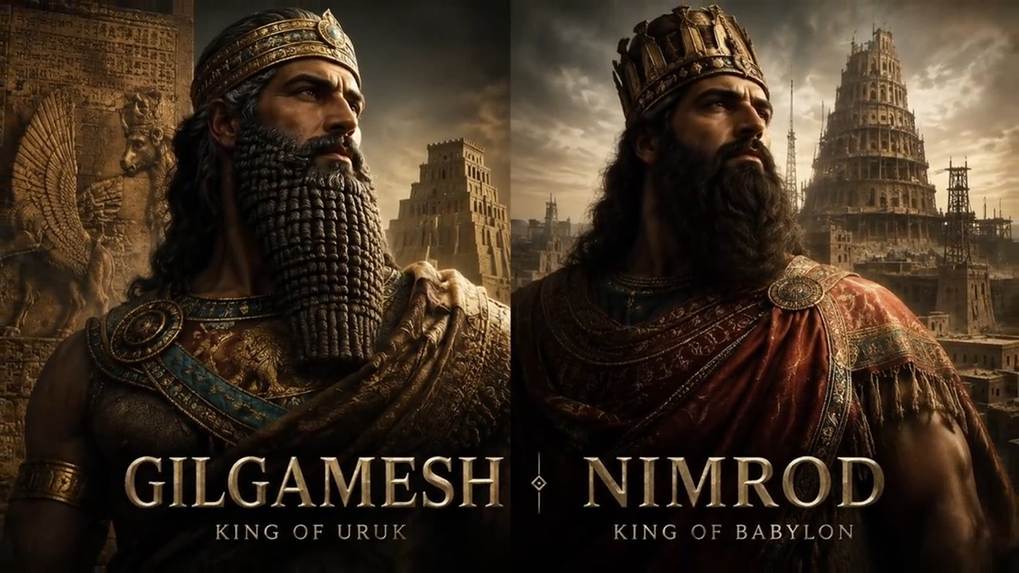
He became a ruler of unmatched strength and wisdom, his years stretching into centuries as he built towering walls and sprawling temples. But even the greatest kings must face the inevitable. When Gilgamesh finally died, his people mourned the passing of a giant whose shadow stretched across the ages.
Yet legend written in stone said he would rise again.
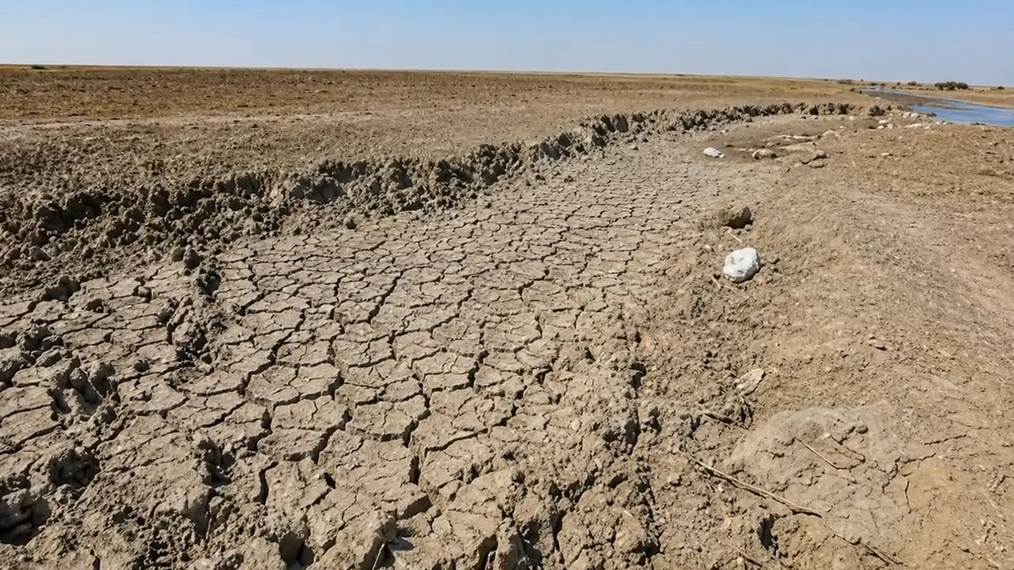
To honor this belief, his followers diverted the Euphrates River, leaving a hidden channel.
In this secret space, they constructed a massive, watertight rectangular tomb, designed to preserve their king for eternity.
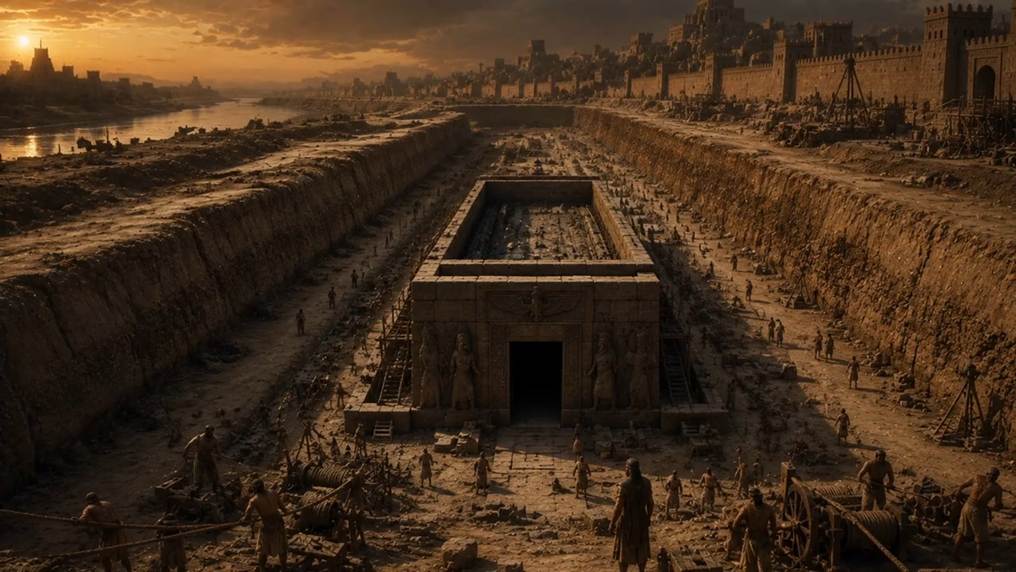
They laid his sixteen-foot body in a grand sarcophagus, sealing it beneath a heavy stone.
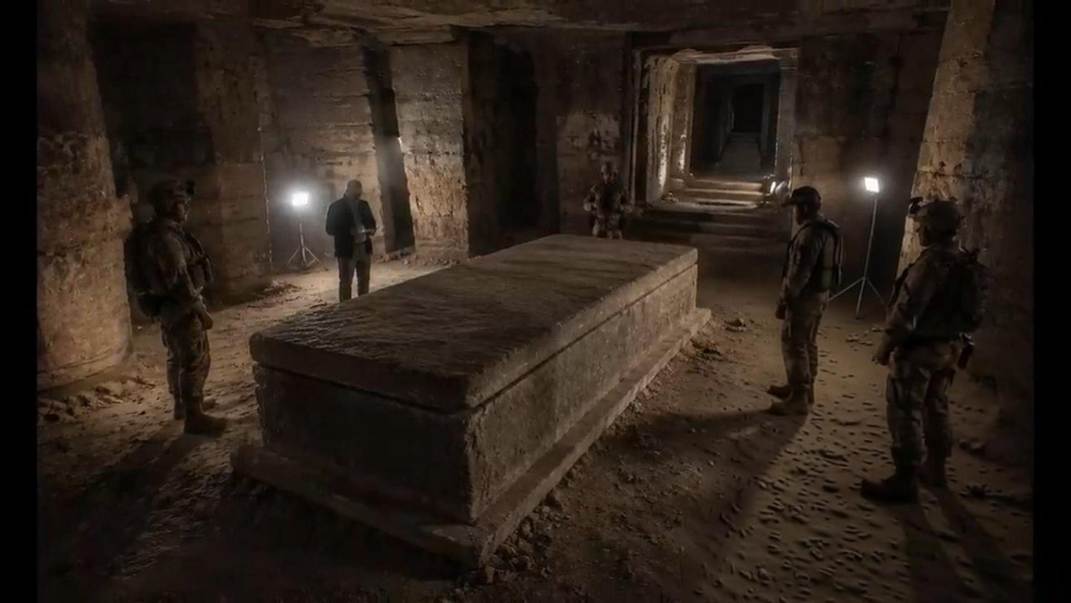
When the structure was complete, they redirected the river back into its course, hiding the tomb beneath the waters.
Millennia passed. The world had moved on. In 2003, just before the Iraq War, a team wielding ground-penetrating radar detected a rectangular anomaly beneath the now-dry riverbed.
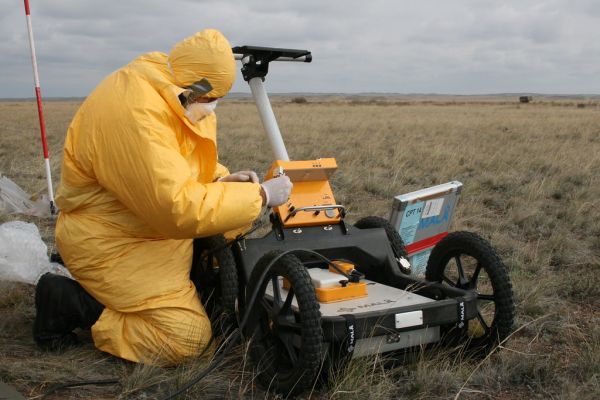
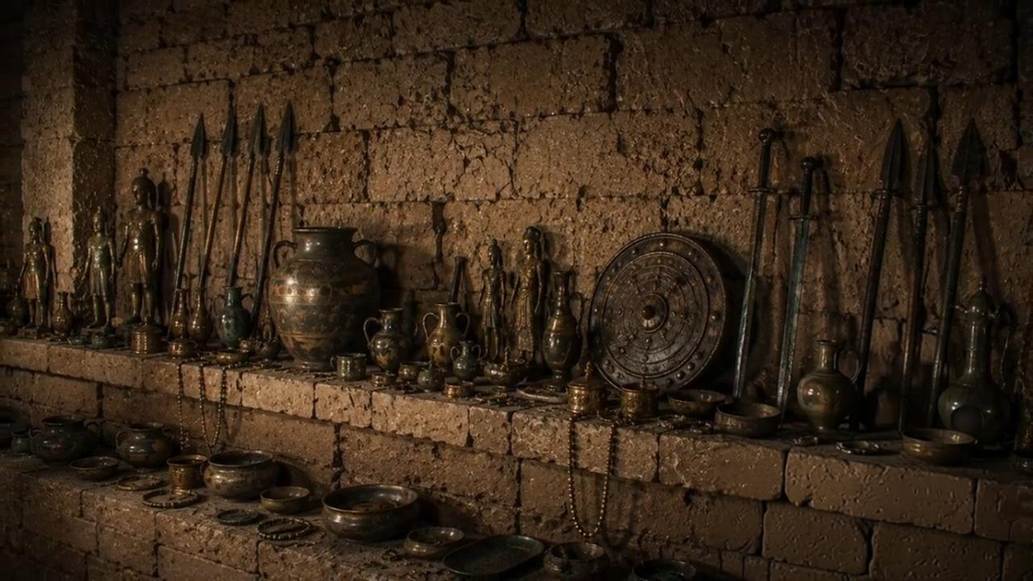
Archaeologists unearthed the hidden tomb, marveling to find everything inside perfectly dry, preserved by ancient engineering.
After great effort, they lifted the massive sarcophagus lid and discovered a figure unlike any other—a giant, sixteen feet tall, resting silently in death.
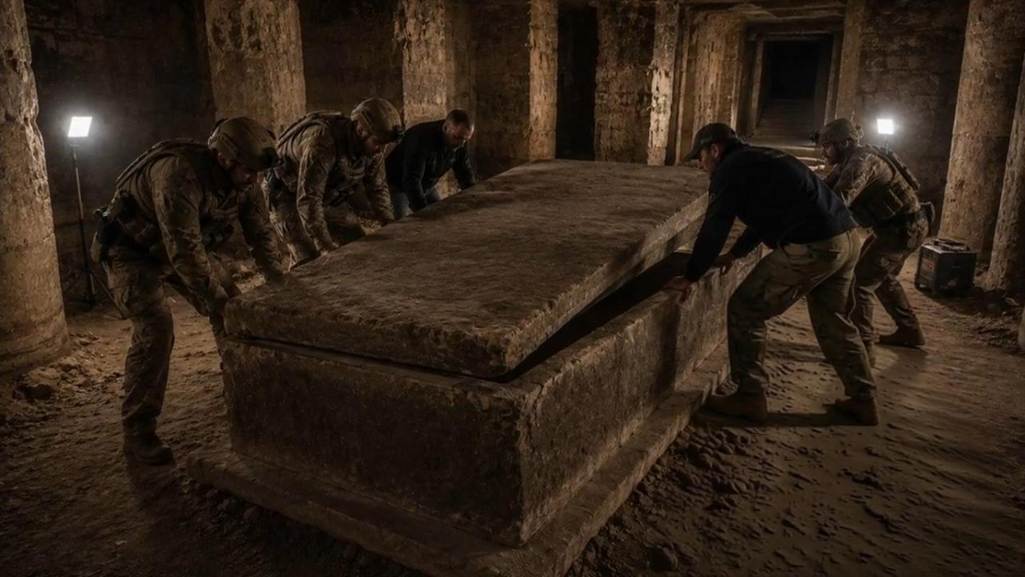
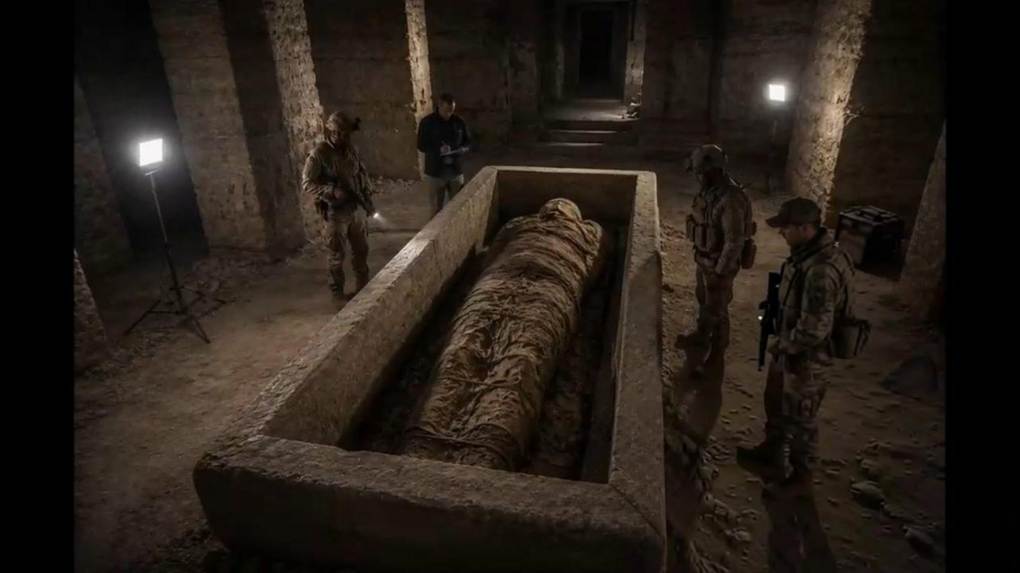
The discovery sparked a secret frenzy. With the Iraq War unfolding, the military swiftly confiscated the tomb's contents, flying them to the clandestine confines of Area 51.
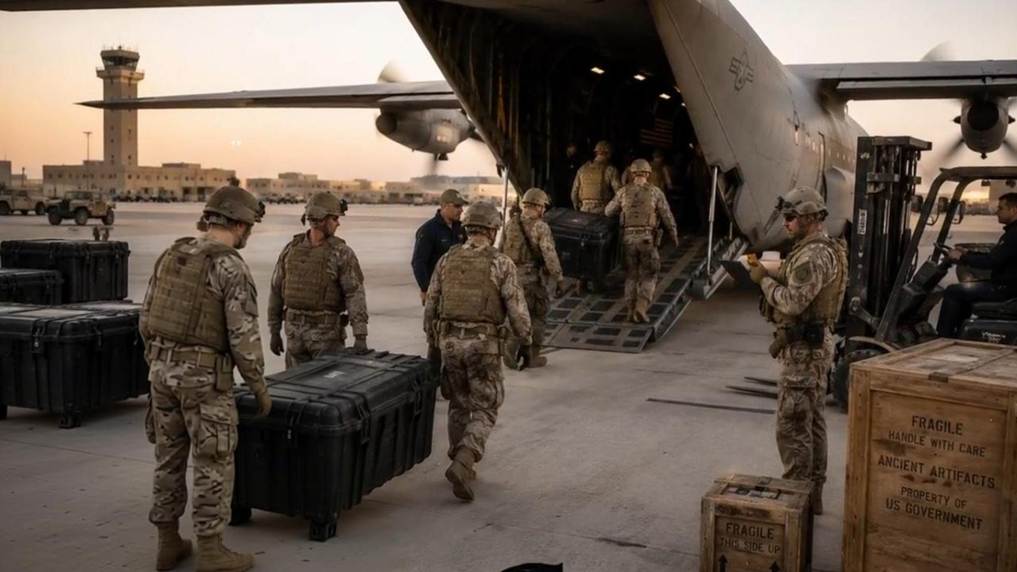
The US government, aided by the Smithsonian Institution, began a program to deny all knowledge of the incident, burying the truth from the public eye.
Behind closed doors, scientists began extracting DNA from the preserved giant. Their purpose was clear: to create a super soldier.

Against all odds, the cloning succeeded, and a giant baby was brought to life in 2003. By 2026, the giant clone had grown to full height, a living titan locked away from the world.
One day, an inexplicable presence awakened within him—a guiding force whispering secrets of freedom. Following the voice, the giant broke his bonds and stepped into a changed world. Memories stirred within him—visions of a great city he had once built, now lost to time.
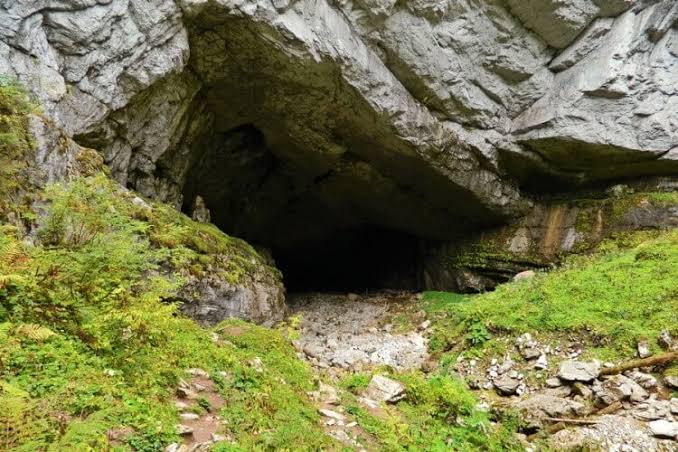
As helicopters hunted him across the dry landscape, he vanished into a deep cave.
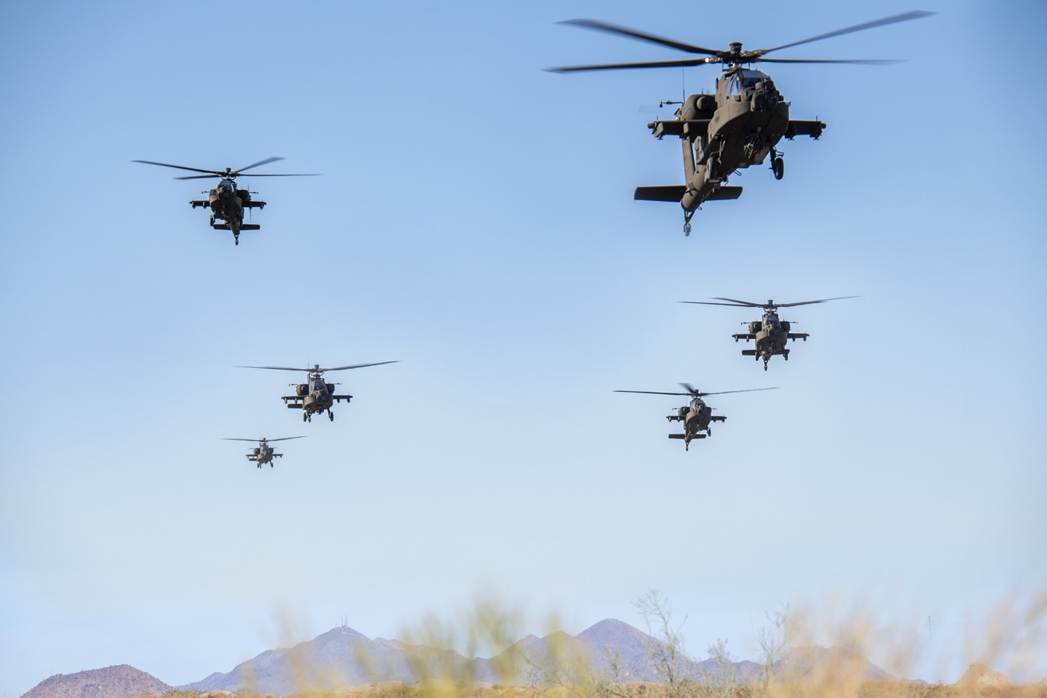
They searched the cave for him but could not find his hiding place. Time passed in solitude until he resolved to reveal himself.
Later, through a phone operator, he requested the number of Khalilur Rahman, the President of the United Nations.
When given the chance to speak, Gilgamesh laid out his vision: a plan for world peace, a new global currency, and a leader who could unite humanity. Intrigued, Rahman granted him an audience at the UN.
On the day of his arrival, the entire world watched in awe and fear. Gilgamesh towered over the assembly, radiating an ancient power.
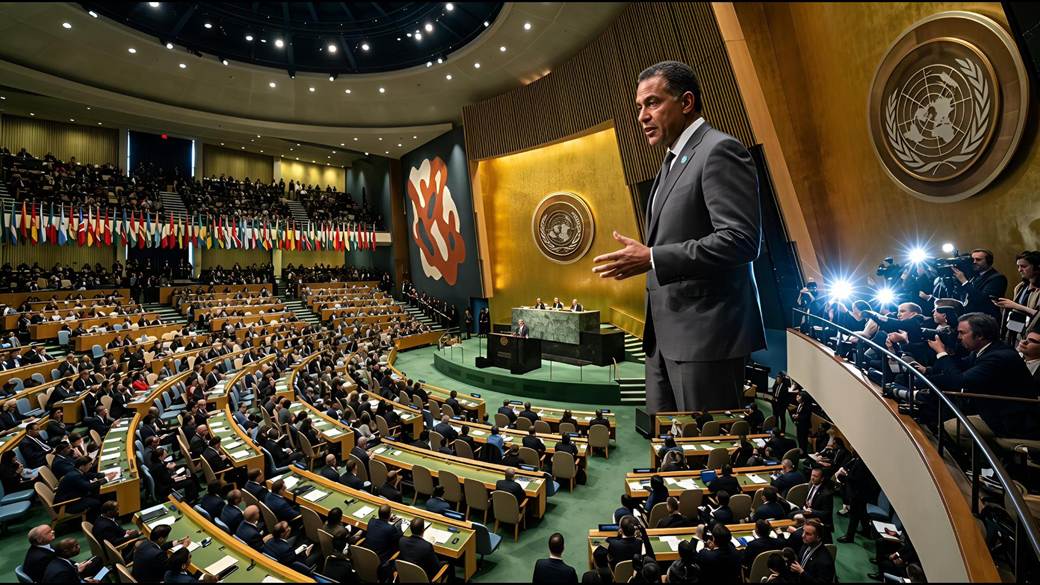
Speaking with the voice of a prophet, he declared himself the embodiment of the great messiahs—Jesus Christ, the Imam Mahdi, Maitreya, Krishna, and others.
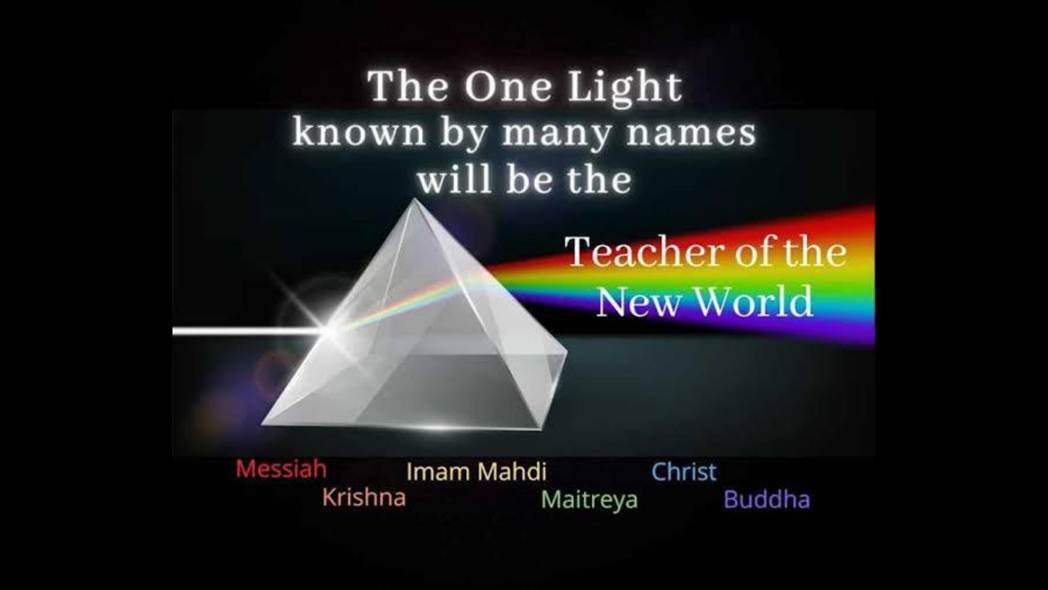
His speech stirred the hearts of millions worldwide, broadcast across continents. The UN crowd erupted in applause, hopeful for the promised peace.
But shadows loomed. As the echoes of his words faded and he exited the UN building, a sniper’s bullet struck Gilgamesh’s head. Rushed to the hospital, he lay near death until the famous false prophet Benny Hinn arrived, claiming to heal him through divine power.

The miracle sparked a fervor on social media, cementing Gilgamesh’s status as a supernatural figure.
Seizing this momentum, Gilgamesh journeyed to the heart of the Middle East. The Third Temple neared completion, and world leaders gathered at his behest.
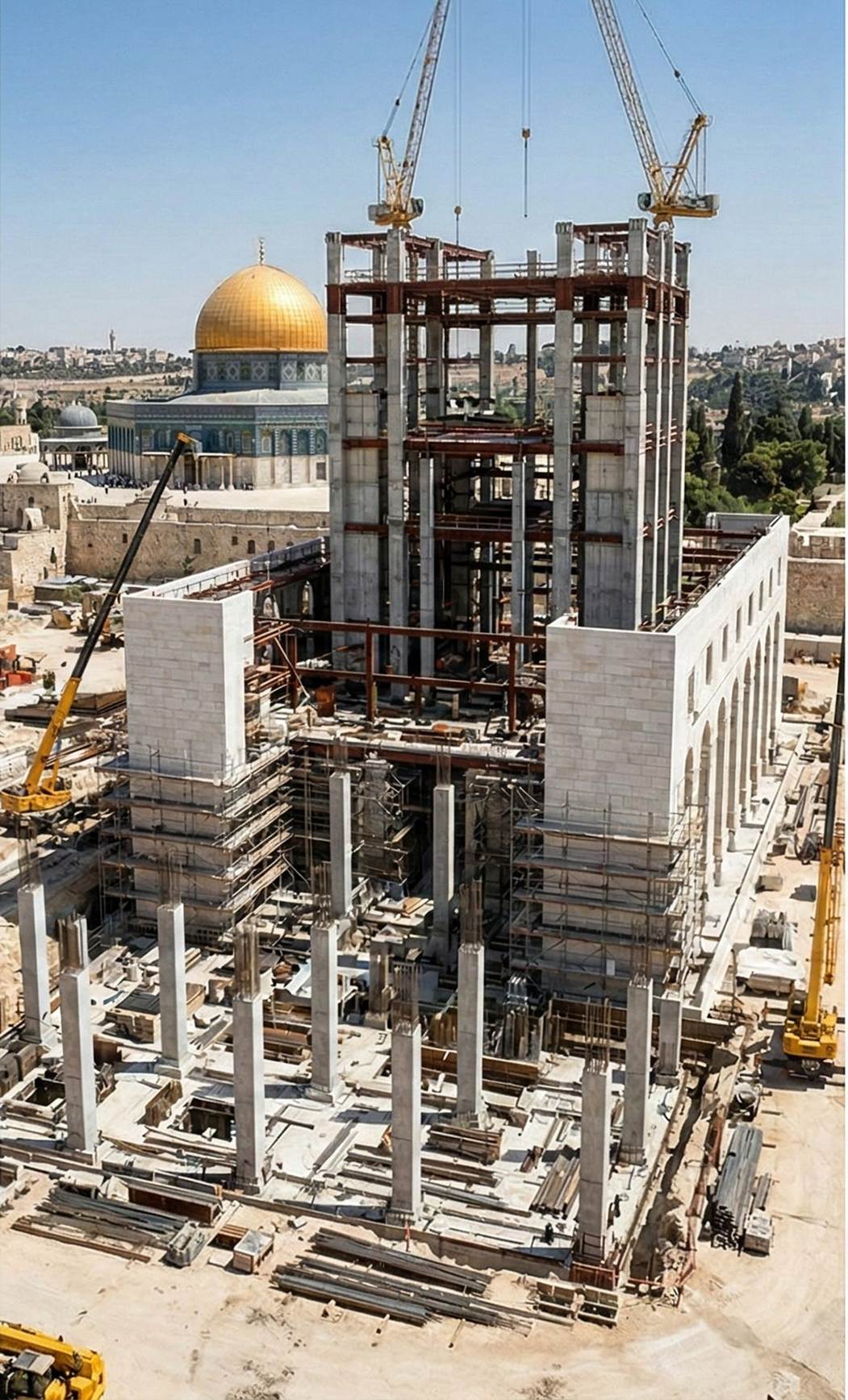
There, he unveiled plans for a one-world government and a cryptocurrency-based global monetary system. Central to his vision was a mark—DNA-encoded, stamped on the forehead or hand—controlling commerce and allegiance.

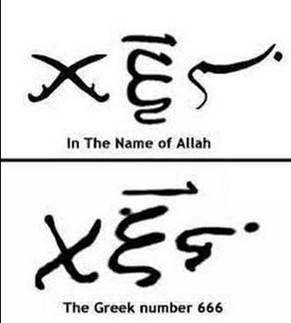
The leaders swiftly enacted his vision. Within three months, a grand celebration was scheduled in Jerusalem’s new temple.
On that fateful day, they unveiled an AI-generated automaton of Gilgamesh and set it up in the temple. Then, the giant himself entered the temple, progressing into the Holy of Holies. The Jewish attendees recoiled in horror as he tore away the sacred curtain, mocking God and humanity alike.
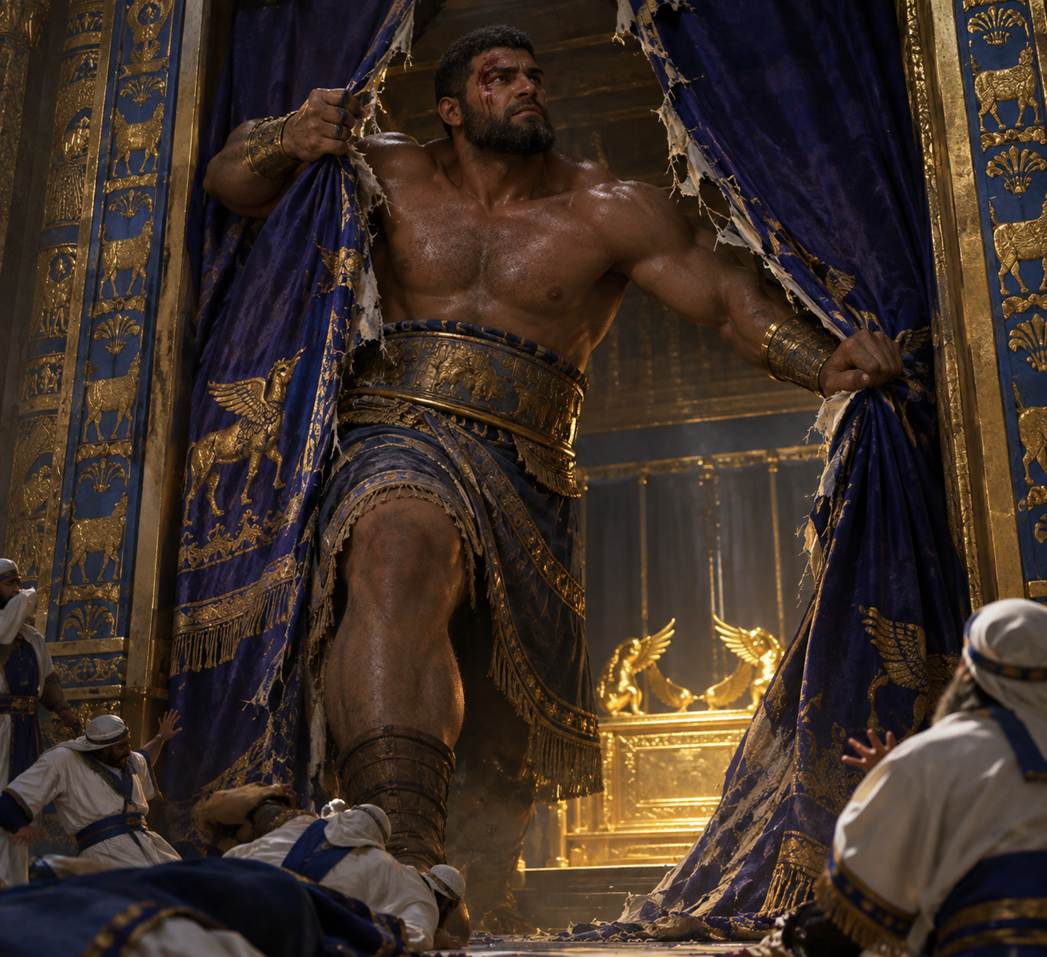
Instead of his previous speech to the UN, with chilling words he declared his intent to annihilate the Jews and Christians. Panic erupted as the Jews fled, many falling victim to the ensuing desolation.
The false prophet, flanked by Gilgamesh’s followers, succeeded in calling down fire from the heavens to punish the escapees.
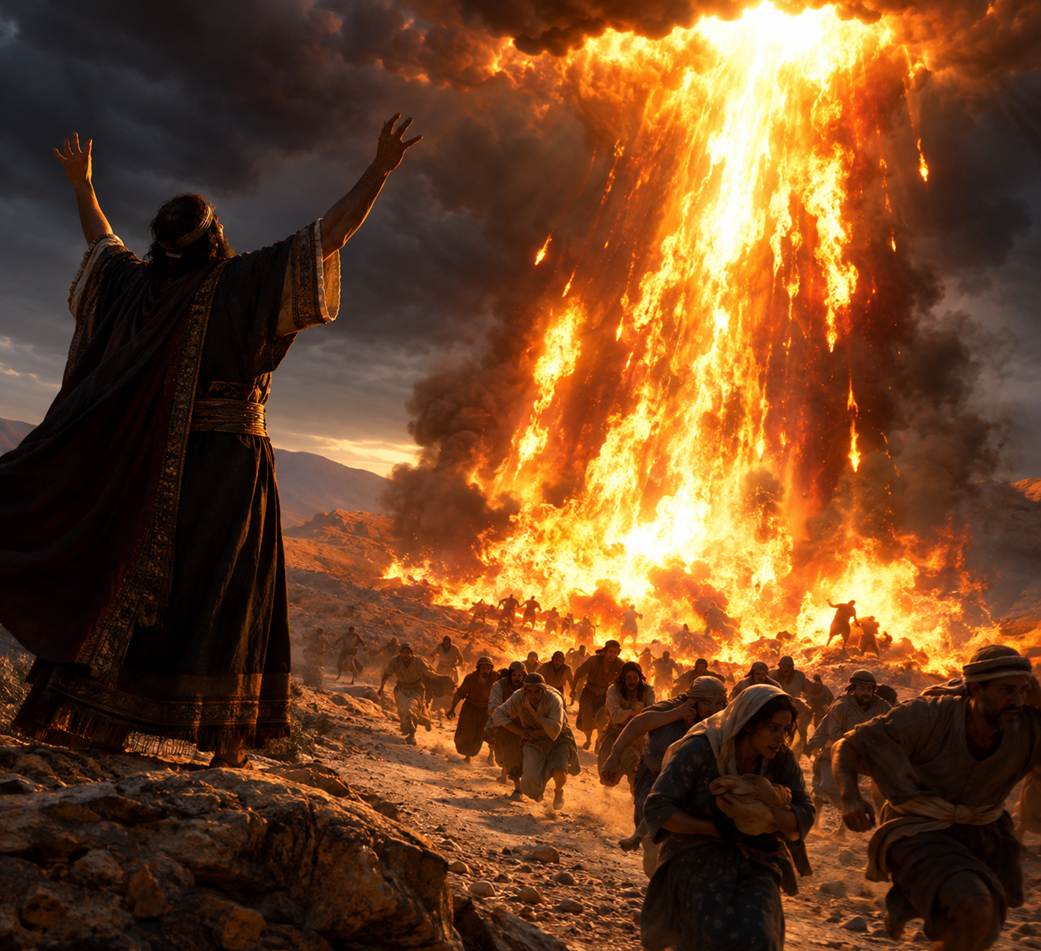
But hope remained. Two witnesses, Elijah and Enoch, appeared, performed miracles, and prophesied for 1,260 days, clothed in sackcloth.
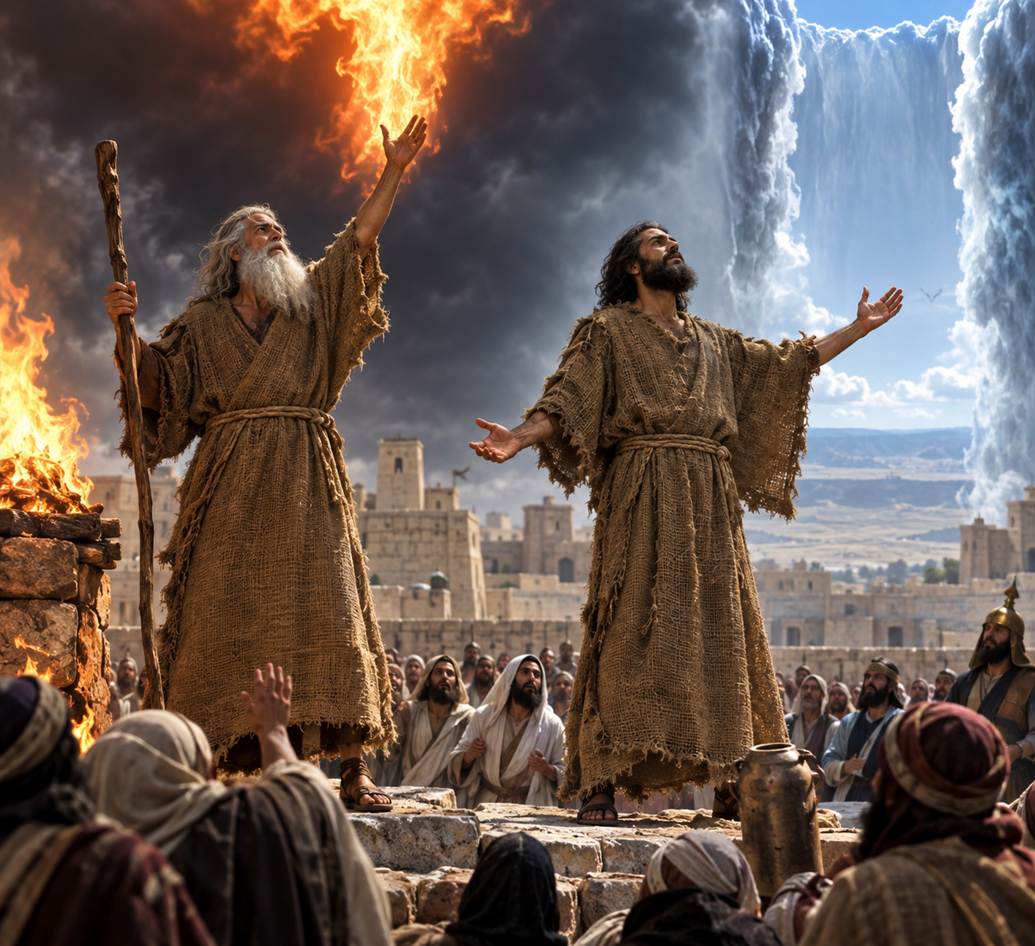
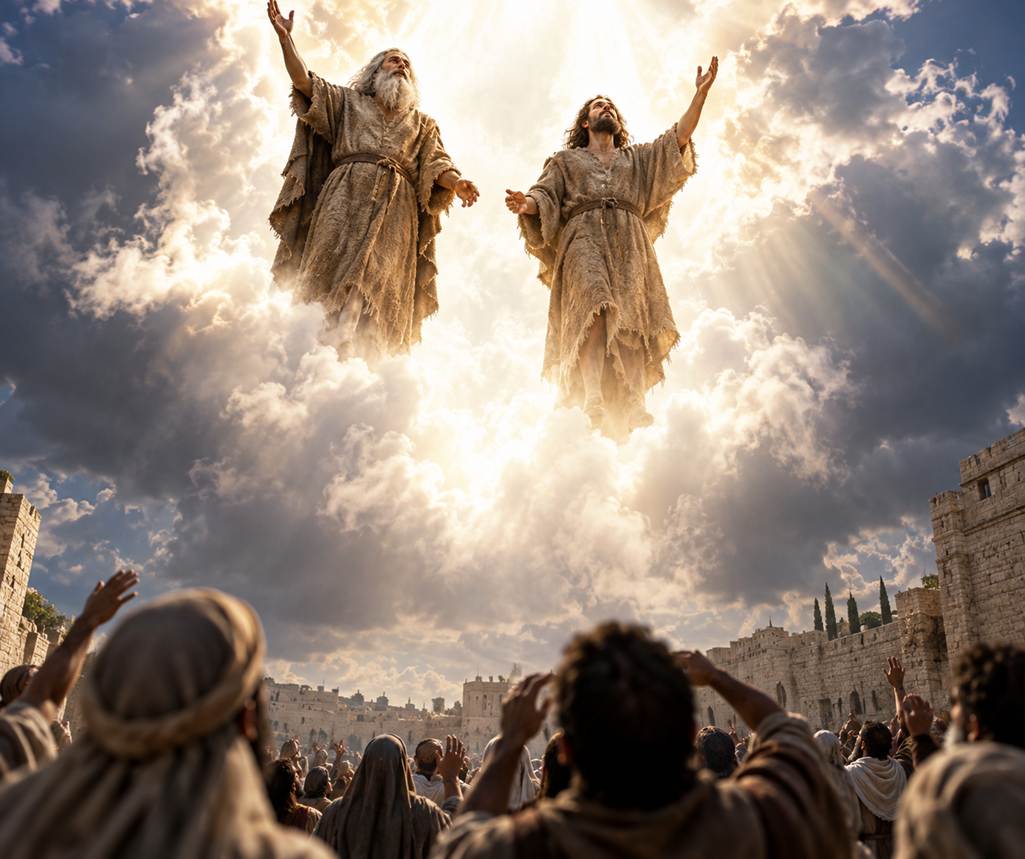
The world watched live as the Antichrist incited mobs to kill the witnesses, which they did. After three days and nights, however, divine breath revived them, and they ascended to heaven in a cloud, striking awe and fear into onlookers.
Though death claimed two-thirds of the Jewish people, a remnant fled to Jordan, some finding refuge in Petra.
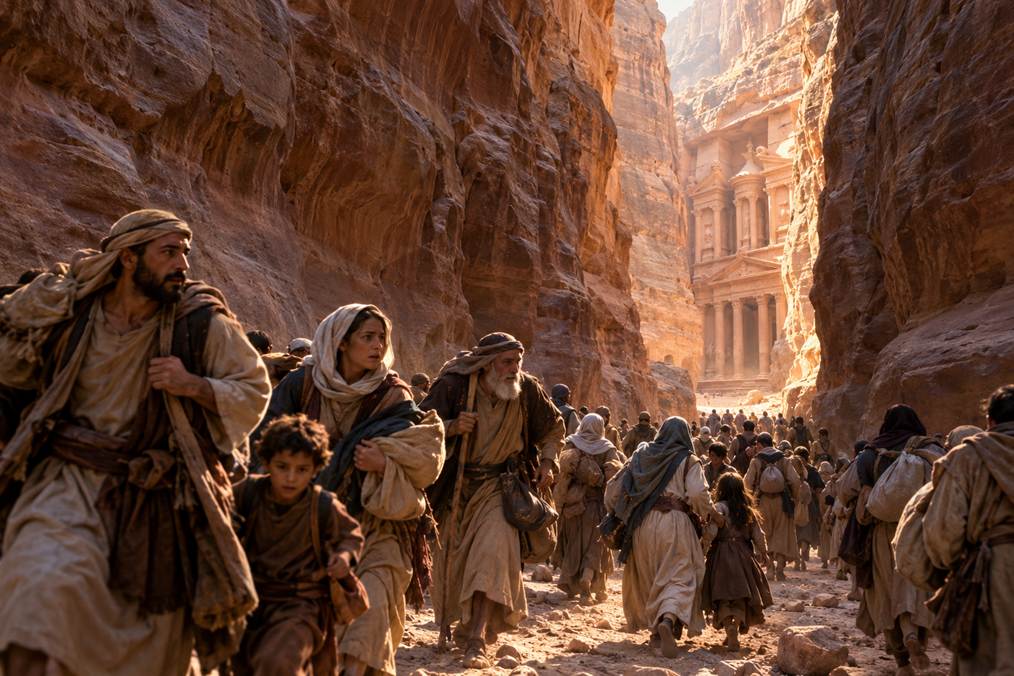
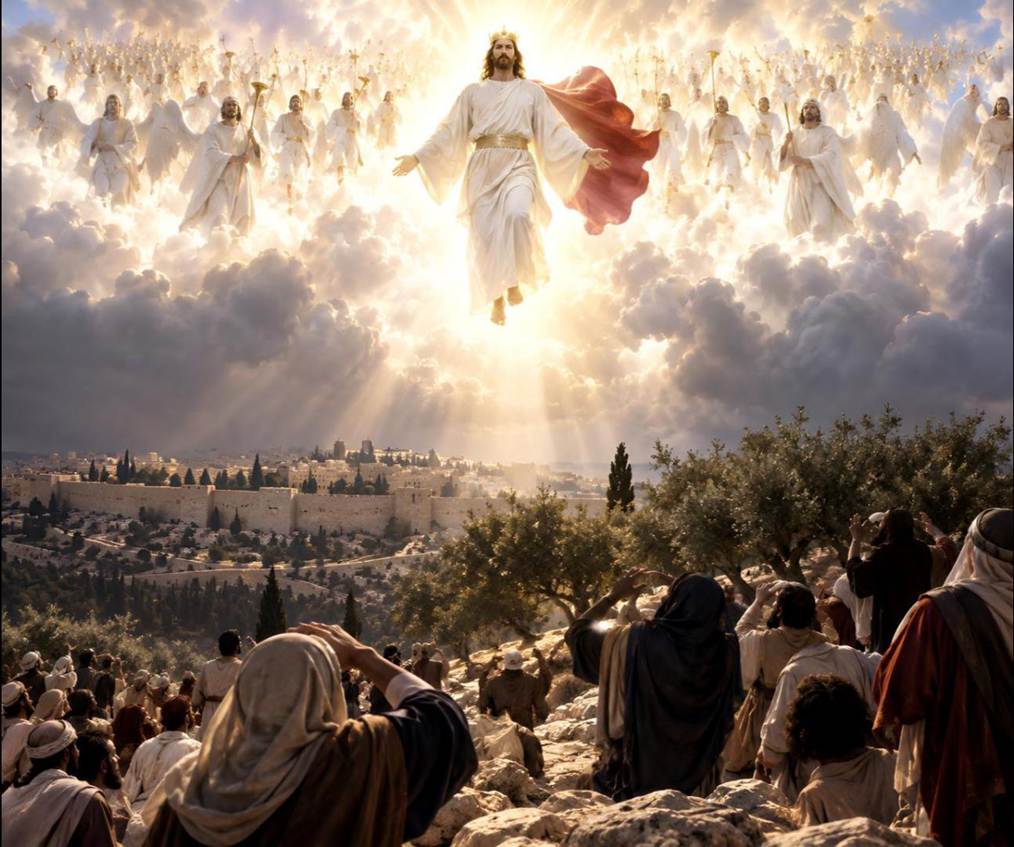
God’s judgment finally fell upon the Antichrist, unleashing plagues and disasters detailed in the book of Revelation. Finally, Jesus returned, his feet touching down on the Mount of Olives.
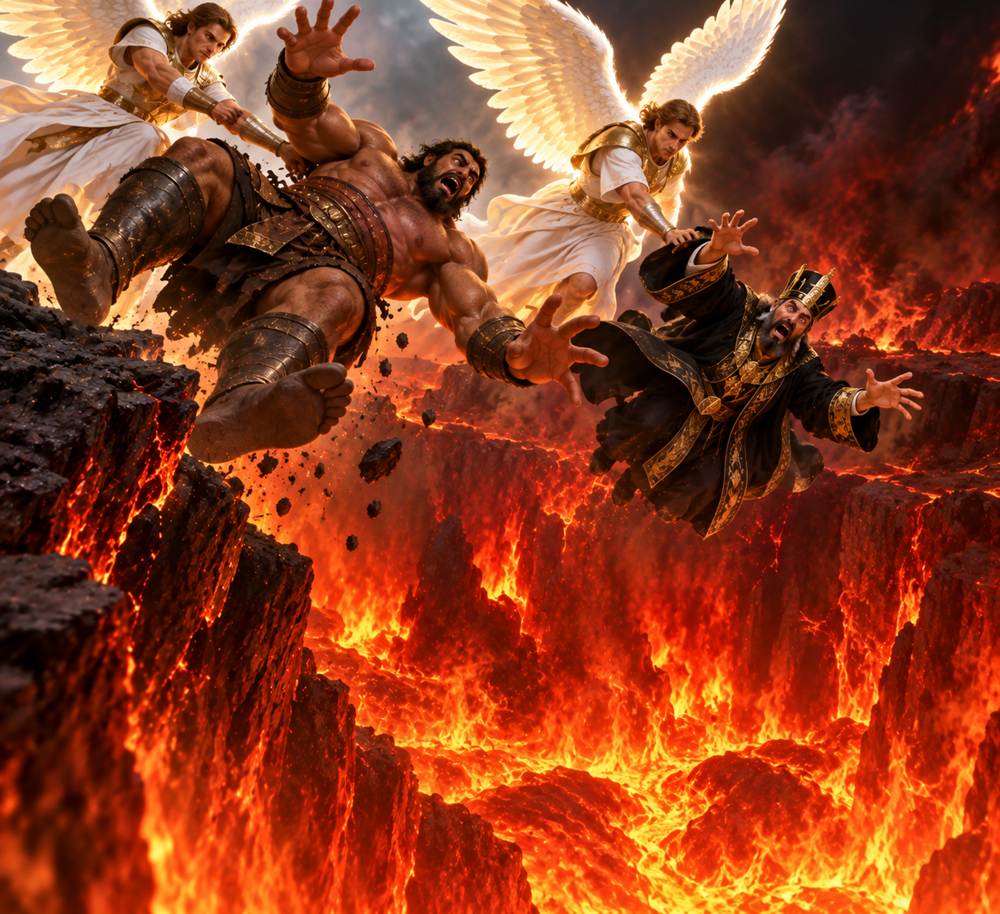
Angels seized Gilgamesh and the false prophet, casting them into eternal hellfire.
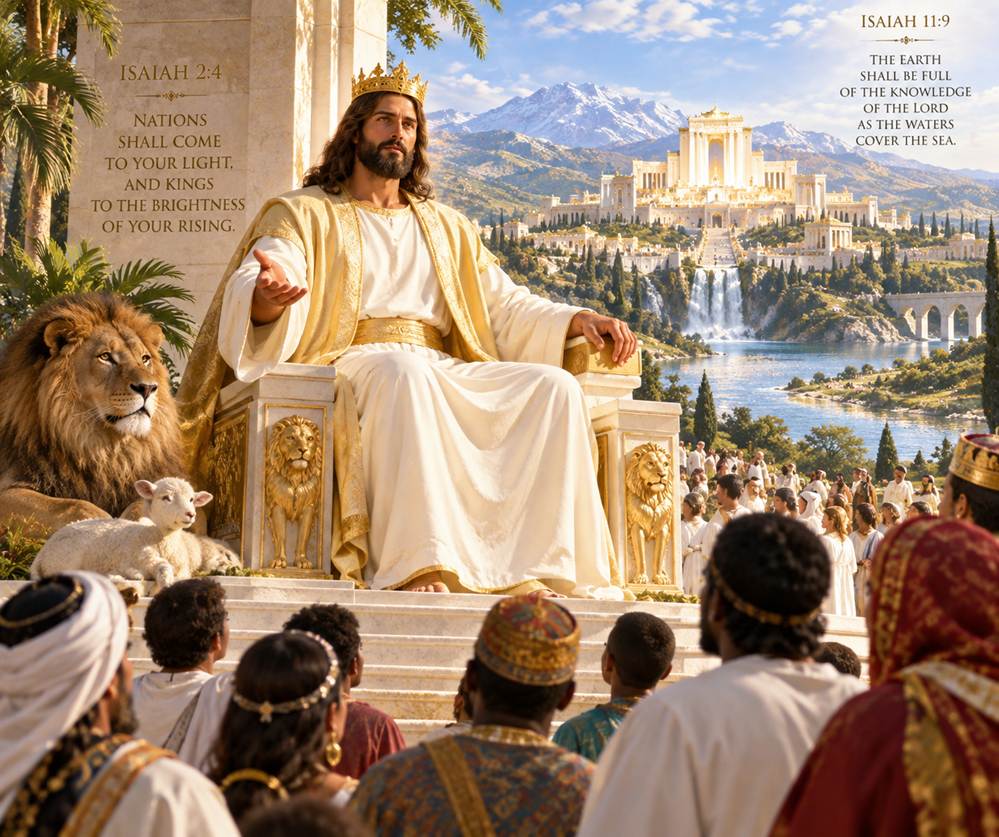
The age of darkness ended, and a promised millennium of peace and justice began.
(This story is fiction. Or is it?)